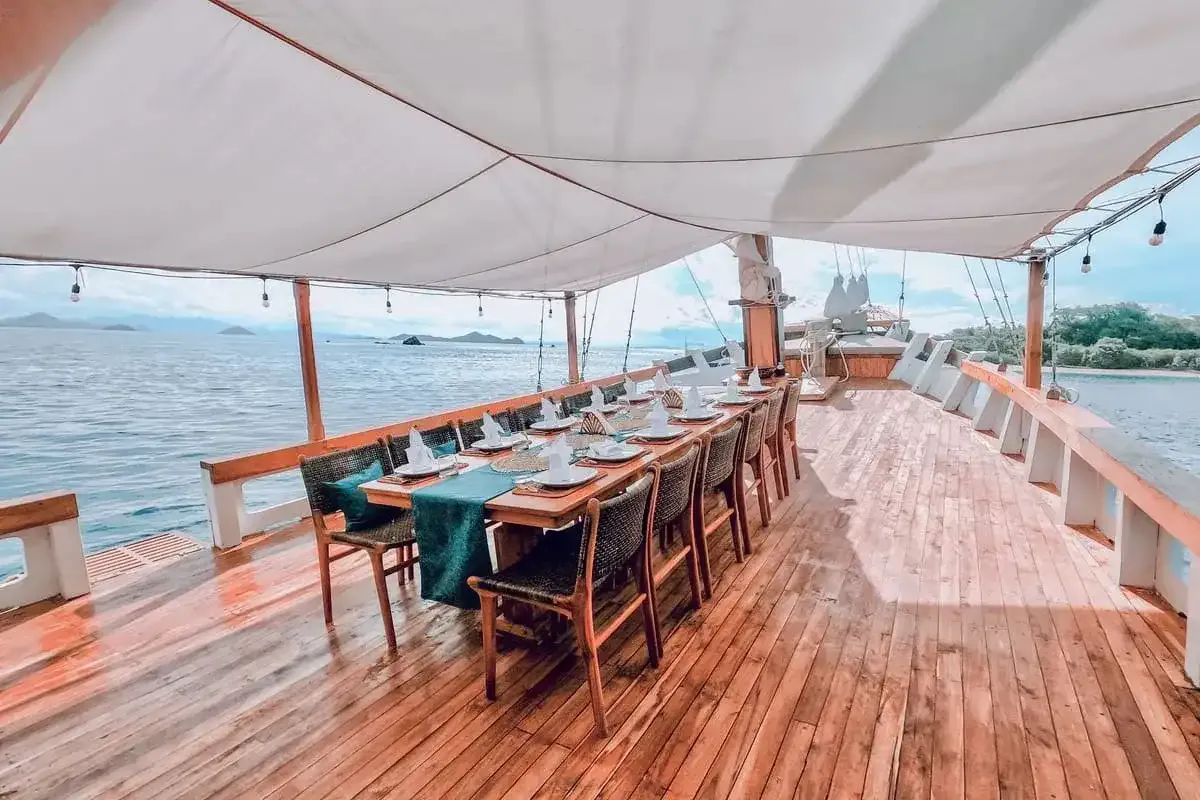
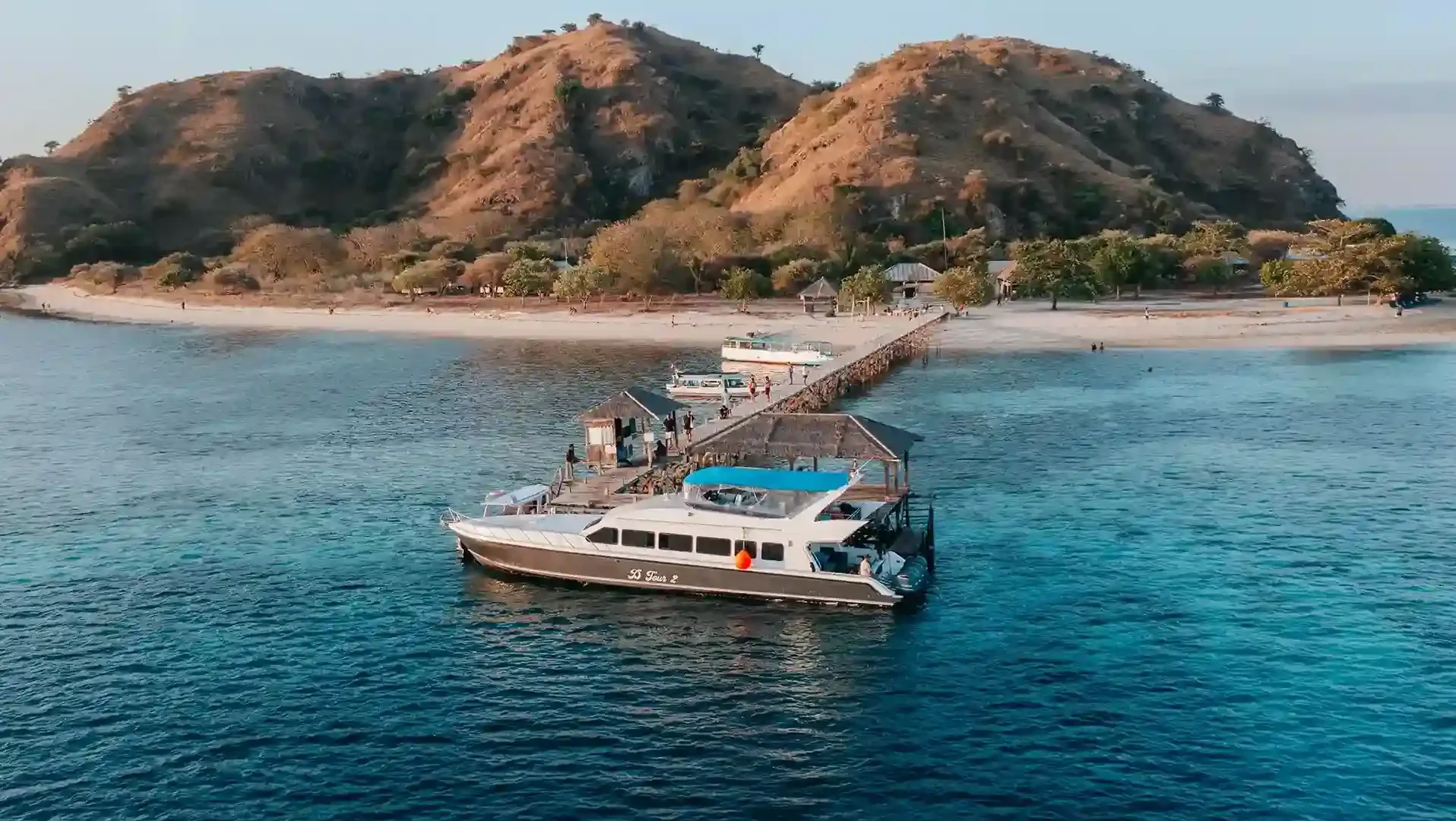
Siaba Besar, Sebayur and Kanawa are shallow, sheltered and light-current — five to eighteen metres, beginner-friendly, reliable for turtles and macro life. On a 3D2N they get an hour before the run home. On a 4D3N they get a full day, which is the single strongest argument for the extra night.
Vessel data and rates on this page come from the operator’s published Magika rate card and specification sheet and were checked on 1 August 2026. Rates are reviewed annually and move with fuel, route changes and regulation. Ask for the current sheet in writing before you transfer a deposit.
Why the northern bays get rushed
A 3D2N itinerary has to deliver Padar, Pink Beach, a dragon walk and the manta drift inside two nights, then return to Labuan Bajo by early afternoon on day three. Everything sheltered and gentle gets compressed into the last morning. The result is that the part of the park most suited to people who are not confident in water gets the least time.
| Leg | Approximate time at 8 knots |
|---|---|
| Labuan Bajo → Kelor | ~1 hour (verified) |
| Labuan Bajo → Kanawa | ~1–1.5 hours |
| Kelor → Manjarite | ~0.5–1 hour |
| Manjarite → Kalong | ~1 hour |
| Kalong → Padar (sailed overnight) | ~3–4 hours |
| Padar → Pink Beach | ~1–1.5 hours |
| Pink Beach → Komodo Island | ~0.5–1 hour |
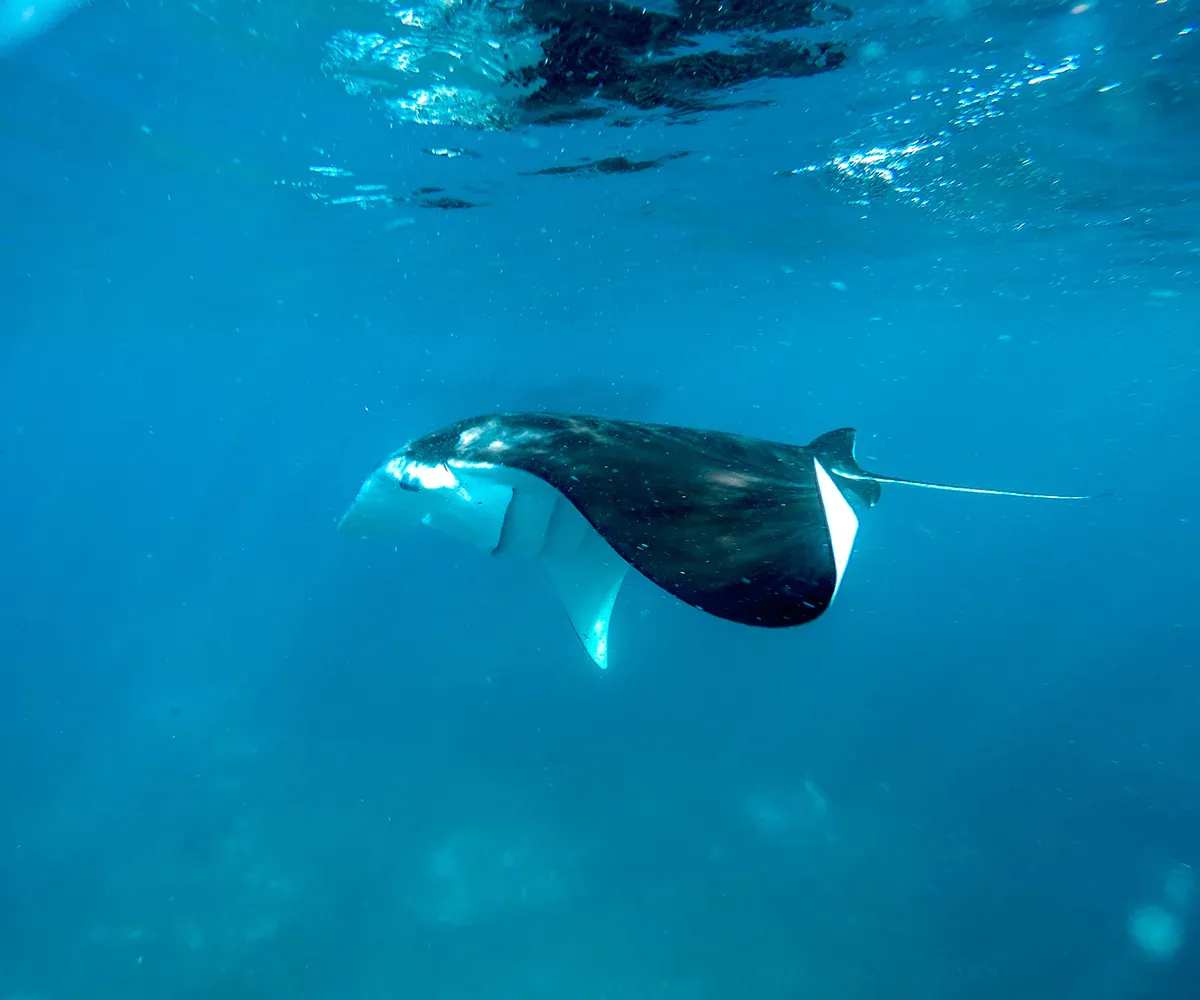
| Komodo → Manta Point (Karang Makassar) | ~0.5–1 hour |
| Manta Point → Taka Makassar | ~20–30 minutes |
| Taka Makassar → Siaba | ~1–1.5 hours |
| Siaba → Kanawa | ~1–1.5 hours |
The 4D3N pattern solves it by inserting a buffer day built from exactly these places — Siaba, Sebayur, Angel, Strawberry — either as a standalone day or by splitting the long day two.
| 3D2N | 4D3N | |
|---|---|---|
| Day 1 | Kelor → Manjarite → Kalong (overnight) | Kelor → Manjarite → Kalong (overnight) |
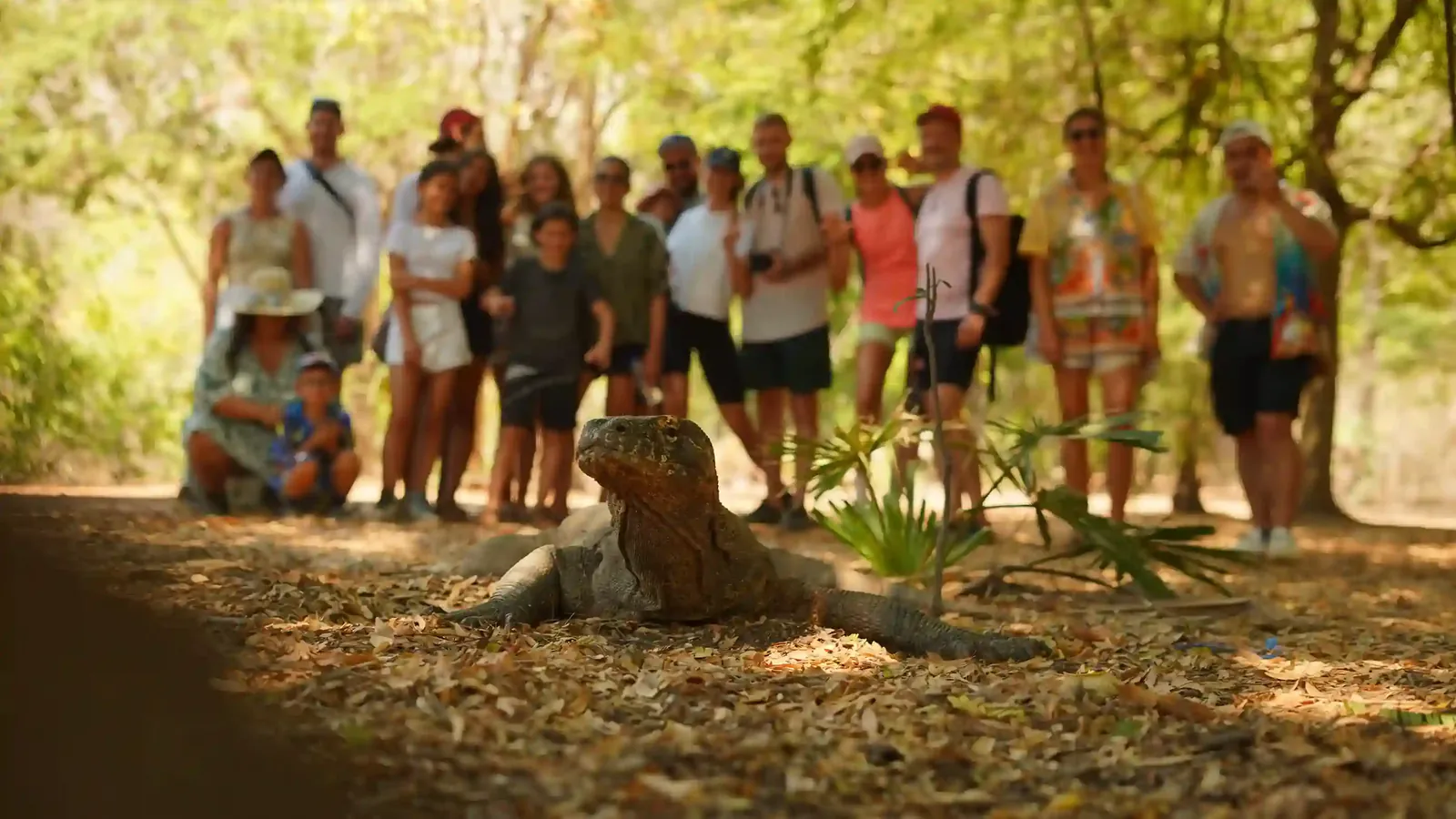
| Day 2 | Padar sunrise → Pink Beach → Komodo/Rinca → Taka Makassar → Manta Point | Padar sunrise → Pink Beach → Komodo/Rinca |
| Day 3 | Siaba → Kanawa → Labuan Bajo by early afternoon | Manta Point → Taka Makassar → Siaba |
| Day 4 | — | Kanawa (+ Sebayur or Angel) → Labuan Bajo |
| Whole-boat rate, 1–5 guests | USD 5,750 | USD 7,050 |
| Per night, 1–5 guests | USD 2,875 | USD 2,350 |
Note the per-night column. The fourth day is the cheapest night on the card — USD 1,300 more in total but USD 525 less per night. That is unusual in travel pricing and it is worth exploiting.
What is actually at each of these three?
Siaba Besar
A sheltered bay with a sandy bottom around twenty metres and reef from five to eighteen. Light to moderate current. It is the standard check-dive site in the park for good reason — if something is going to be wrong with a mask, a weight belt or a nervous first-timer, this is the benign place to find out. Turtles are common. It also works as a night dive.
Sebayur
Soft coral garden from five metres down past thirty, light to moderate current with more movement at the point. Beginner to intermediate. This is the site people describe afterwards as the prettiest snorkelling of the trip, largely because the coral sits shallow enough to see properly from the surface.
Kanawa
About an hour to ninety minutes from Labuan Bajo, which is precisely why it is the last stop before the run home. Shallow reef straight off the beach, easy entry, and the most forgiving water on the entire route.
| Site | Depth | Current rating | Level | Best for |
|---|---|---|---|---|
| Siaba Besar | 5–18 m (sand ~20 m) | Light to moderate | Beginner-friendly | Check dives, turtles, macro, night dives |
| Sebayur | 5–30+ m | Light to moderate | Beginner–intermediate | Soft coral garden, reef fish |
| Kanawa | Shallow reef | Light | All levels | Easy beach-entry snorkelling |
| Tatawa Besar | 5–18 m | Moderate to strong drift | Beginner–intermediate | Classic soft-coral drift |
| Tatawa Kecil | 10–30 m | Very strong, down-current risk | Intermediate–advanced | Pelagics, table coral |
| Shotgun / The Cauldron | 10–25 m | Very strong | Advanced only | Manta in the channel, dramatic topography |
Who should care most about this day?
- Families with children. Sheltered water, short swims, sand bottom. Everything the manta drift is not.
- Non-swimmers and nervous snorkellers. This is where confidence gets built, and it needs more than the forty minutes a compressed 3D2N gives it.
- New divers. Siaba is the standard first dive of a Komodo trip because the alternatives — Batu Bolong at three to four out of five current, Castle Rock at five out of five with a negative entry — are not places to discover a buoyancy problem.
- Anyone who wants one unhurried day. Padar, dragons and mantas are the highlights. This is the day you actually rest.
Water temperature and visibility, north versus south
Worth knowing before you pack a wetsuit. The northern and central park — where all three of these sites sit — runs 27–29 °C from November to April and 26–28 °C from May to October, with visibility of fifteen to thirty metres. The southern sites are a different proposition: Indian Ocean upwelling drops them to 21–25 °C at its June-to-September peak, with a sharp thermocline and ten to twenty metre visibility.
How the extra night prices out across the whole rate card is on whole-boat charter pricing, and the side-by-side of the luxury boats running these routes is on luxury Komodo liveaboards compared side by side. If you are weighing 3D2N against 4D3N on cost alone, the cabin-by-cabin cost comparison does that arithmetic.
How to check dates and book
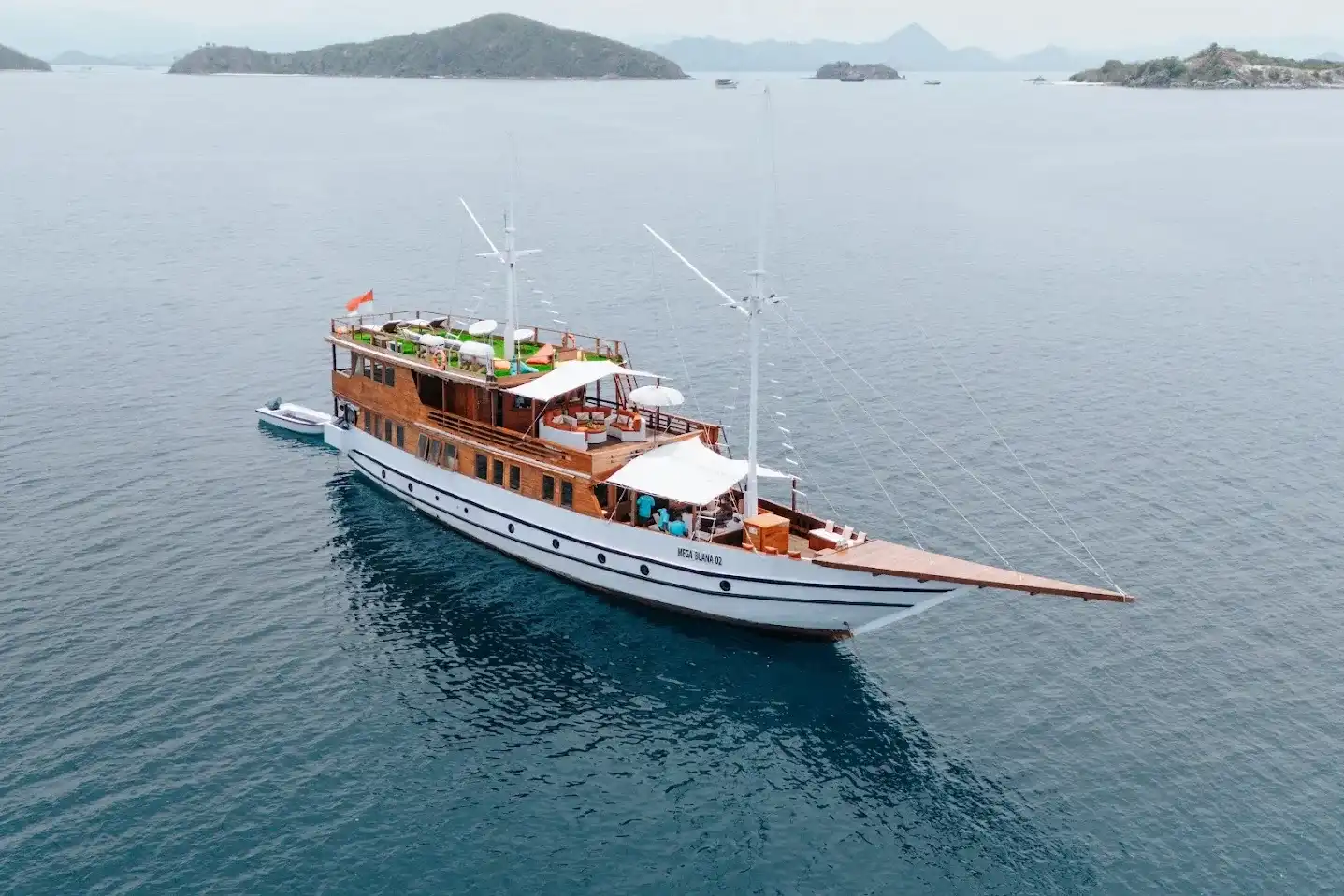
If anyone in the group is a hesitant swimmer, the itinerary question that matters is not which islands — it is how many hours are spent in sheltered water. Magika’s calendar is held by the reservations desk at Komodo Luxury, the operator that markets and charters the vessel — trading since 2015 and part of Juara Holding Group.
- WhatsApp: +62 811 3823 875 — quickest route to a live availability check or a date hold
- Email: [email protected] — better for written quotes, contracts and invoices
Ask for the rate sheet, the cabin allocation and the deposit ladder in one written message. Anything an operator will not put in writing is not a policy.
Frequently asked questions
What are the calmest snorkelling spots in Komodo?
Siaba Besar, Sebayur and Kanawa in the sheltered north. All three sit in roughly five to eighteen metres with light to moderate current, sandy bottoms and easy entries — the opposite of the strong-current sites like Batu Bolong or Castle Rock.
Is a 4D3N Komodo trip worth the extra day?
On price alone it is the cheapest night on the card: a whole-boat 4D3N for 1–5 guests is USD 7,050 against USD 5,750 for 3D2N — USD 1,300 more in total but USD 525 less per night. The extra day is spent in the sheltered northern bays.
Where is the best place for a beginner’s first dive in Komodo?
Siaba Besar. It is a sheltered bay with a sandy bottom around twenty metres, light current and reliable turtles — the standard check-dive site in the park, and the sensible place to find a buoyancy or weighting problem.
How warm is the water in Komodo?
In the north and centre, 27–29 °C from November to April and 26–28 °C from May to October, with 15–30 metre visibility. Southern sites are much colder during the June-to-September upwelling: 21–25 °C with a sharp thermocline.
Which Komodo stop is best for families with young children?
The sheltered northern bays — Kanawa, Sebayur and Siaba — with short swims, shallow reef and sand bottoms. They are the calmest water on the standard route and the least demanding part of the itinerary.