
The best time to visit
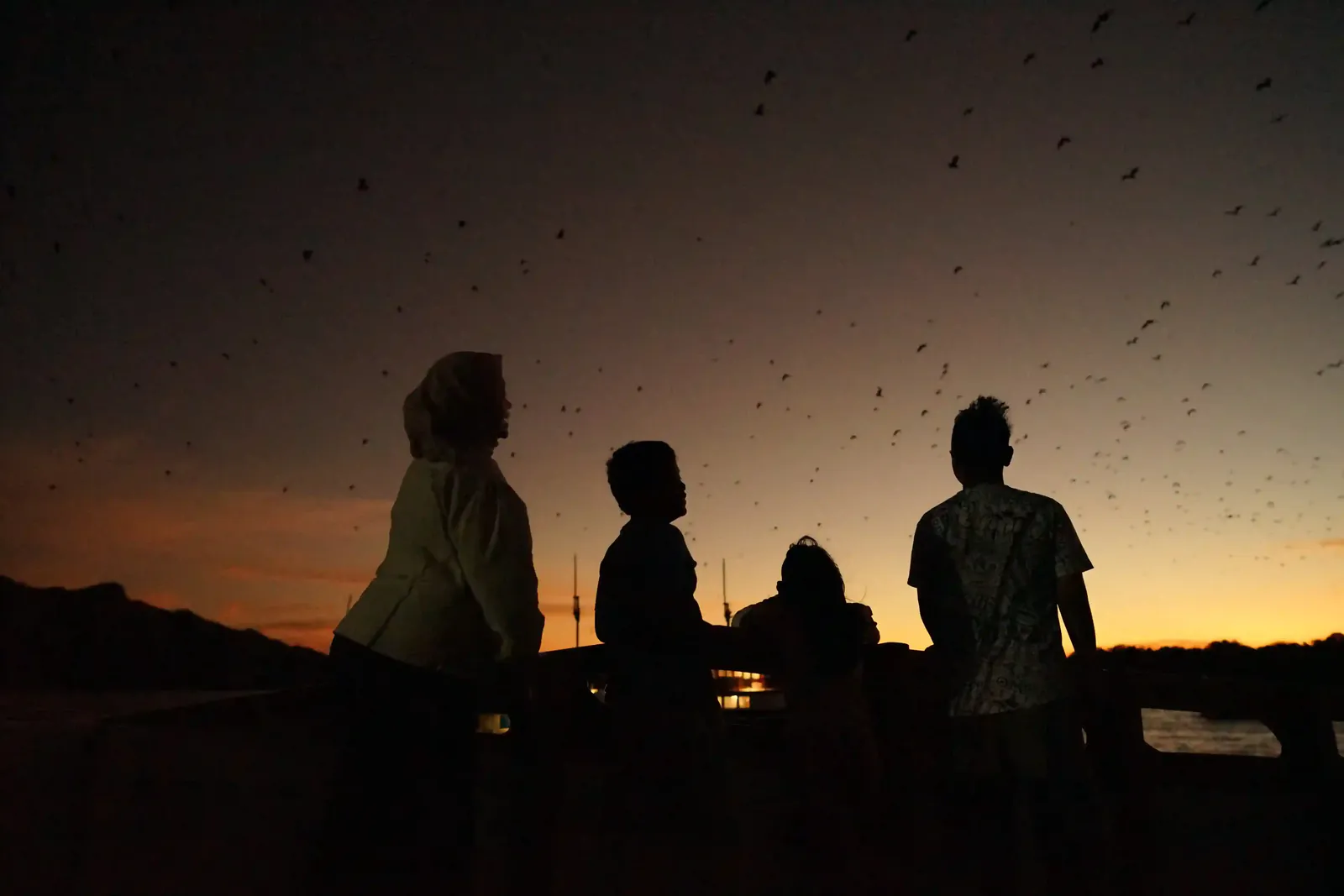
Indonesia is big enough that when one region is in its dry season, another is in its wet. Somewhere in the archipelago is always sailing well — this page shows which region, in which month, and what it costs.
Two seasons, and they are not uniform
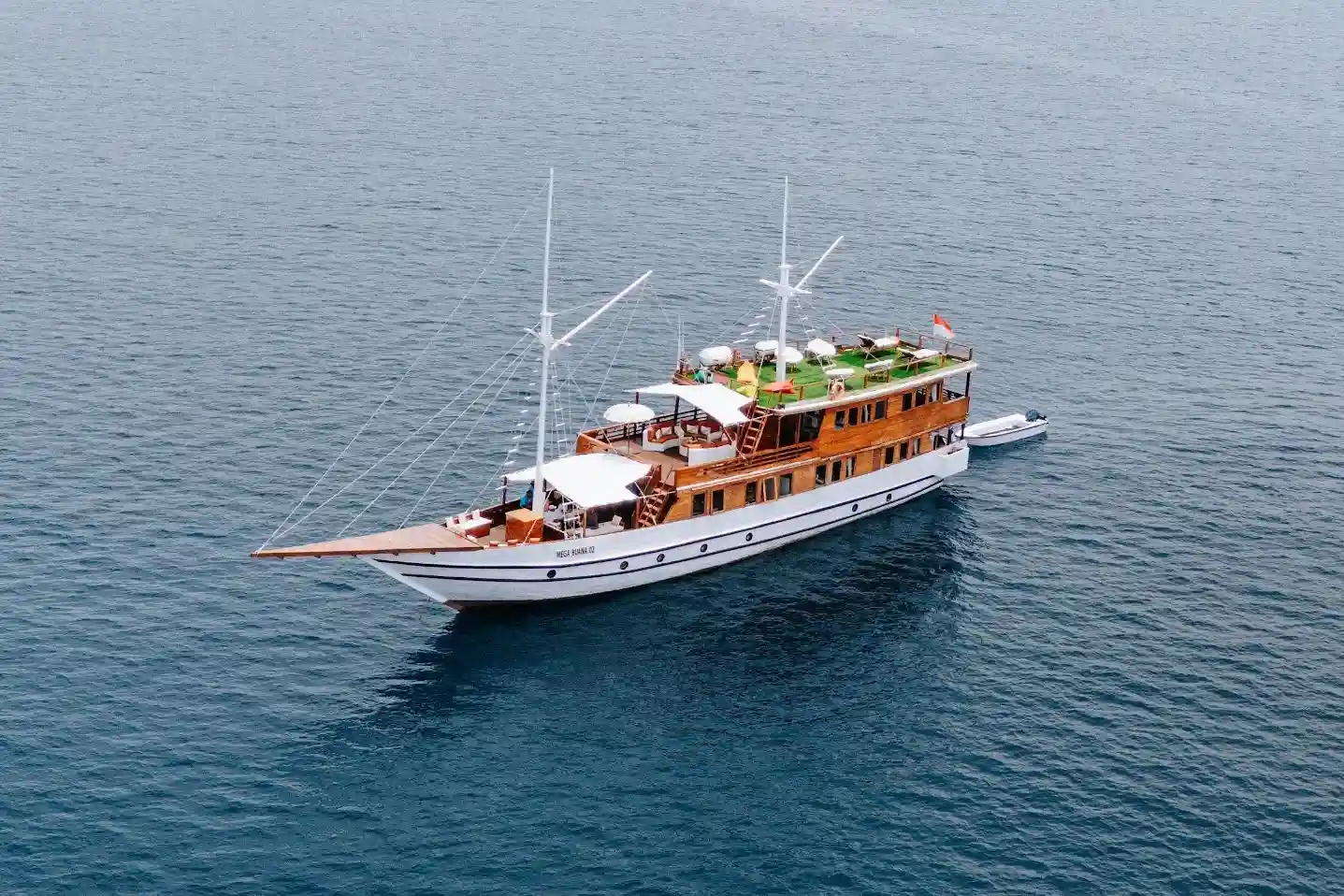
Indonesia has a tropical climate with two primary seasons, dry and wet — but they are not uniform across regions. The general rule is that when one area is dry, another is wet, which is what makes year-round liveaboard travel possible somewhere in the country.
Dry season, April to October
Komodo National Park: May to October offers excellent visibility, calm water and a high likelihood of manta rays and other large pelagics. Conditions are generally stable and sunny.
Banda Sea & Forgotten Islands: typically offered in the shoulder months — September to November and March to April — when the seas are calmer for transit between islands.
Wet season, November to March
Raja Ampat: November to April is peak. Despite the label, Raja Ampat sees calmer seas and excellent diving in these months, with less wind and rain than expected.
Cenderawasih Bay: accessible year-round, with whale shark encounters a consistent highlight regardless of season.
Regional best times
| Destination | Best months | Key considerations |
|---|---|---|
| Komodo National Park | May to October | Calm seas, excellent visibility, prime for manta rays and pelagics. |
| Raja Ampat | November to April | Peak season, calmer waters, superb visibility, abundant marine life. |
| Banda Sea & Forgotten Islands | September to November, March to April | Shoulder seasons for calmer transit, pelagic migration. |
| Cenderawasih Bay | Year-round | Consistent whale shark encounters. |
| Alor & East Nusa Tenggara | April to November | Good visibility, strong currents possible, diverse marine life. |
For Komodo month by month — sea state, visibility, manta density and price tier — see the Raja Ampat and Komodo season comparison.
April–June
Calmest seas and the best visibility of the year, at shoulder pricing. The sweet spot for long charters.
July–August
Peak season. Great conditions, windy around Padar and the open straits, and the dates go first.
September–November
Calm and clear again, with strong manta activity. The strongest all-round window.
December–March
Monsoon and the roughest seas — but peak manta density. Sell it to yourself as manta season, not low season.
Pricing considerations for 2027
Total trip costs, 2027
Swipe to see all columns| Trip | Cost per person |
|---|---|
| Short trips, 3–4 days | $600 – $1,200 |
| Standard safaris, 5–7 days | $1,500 – $3,500 |
| Extended expeditions, 6–8+ days | $3,000 – $5,500+ |
| Komodo, 7 nights | $3,605 |
| Komodo, 10 nights | $5,150 |
| Raja Ampat, 7 nights | $3,969 |
| Raja Ampat, 10 nights | $5,670 |
| Banda Sea & Misool | $7,140 |
| Southern Forgotten Islands | $7,440 |
Market figures for the sector. Magika’s own published rates are lower — from USD 310 per person on a shared 3D2N (2026 card), or USD 5,300 for the whole boat on a 2D1N charter in 2027 (USD 4,700 in 2026).
Book ahead, whatever the season
Regardless of the month, book well in advance — especially for Komodo and Raja Ampat in their peak periods. Early booking secures your preferred dates and cabin type. Consider travel insurance, particularly for remote itineraries and non-refundable deposits.
Tell us your month
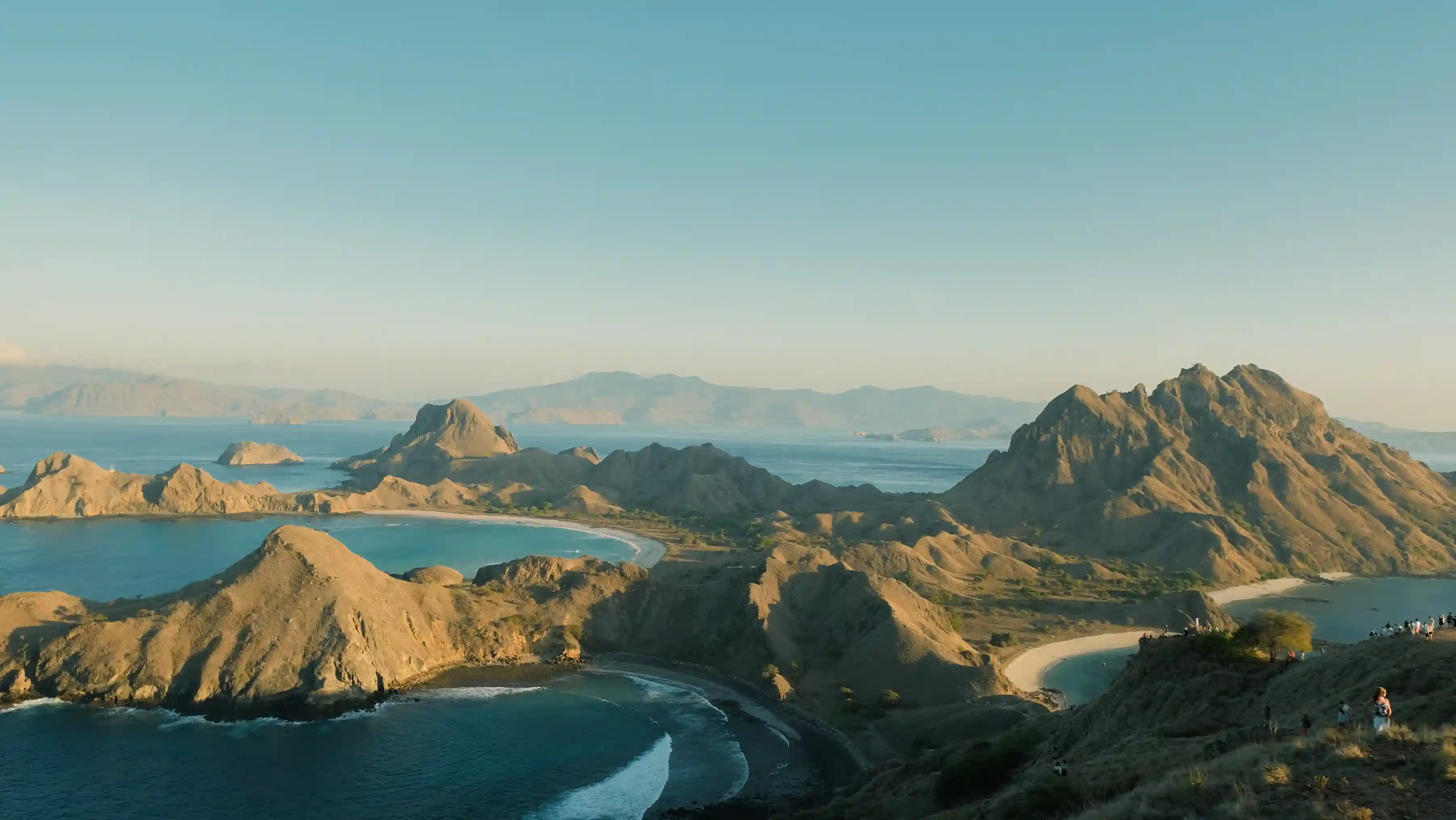
We will say plainly whether it is the right window for Komodo, what the sea usually does then, and what is still open.
Whole-boat charter and shared cabins · Labuan Bajo departures · 2026 & 2027 dates open