

How a liveaboard holiday works
A liveaboard is a vessel designed for extended stays at sea, providing accommodation, meals and diving or snorkelling activities. This guide walks the whole process — from choosing an itinerary to stepping back onto the dock.
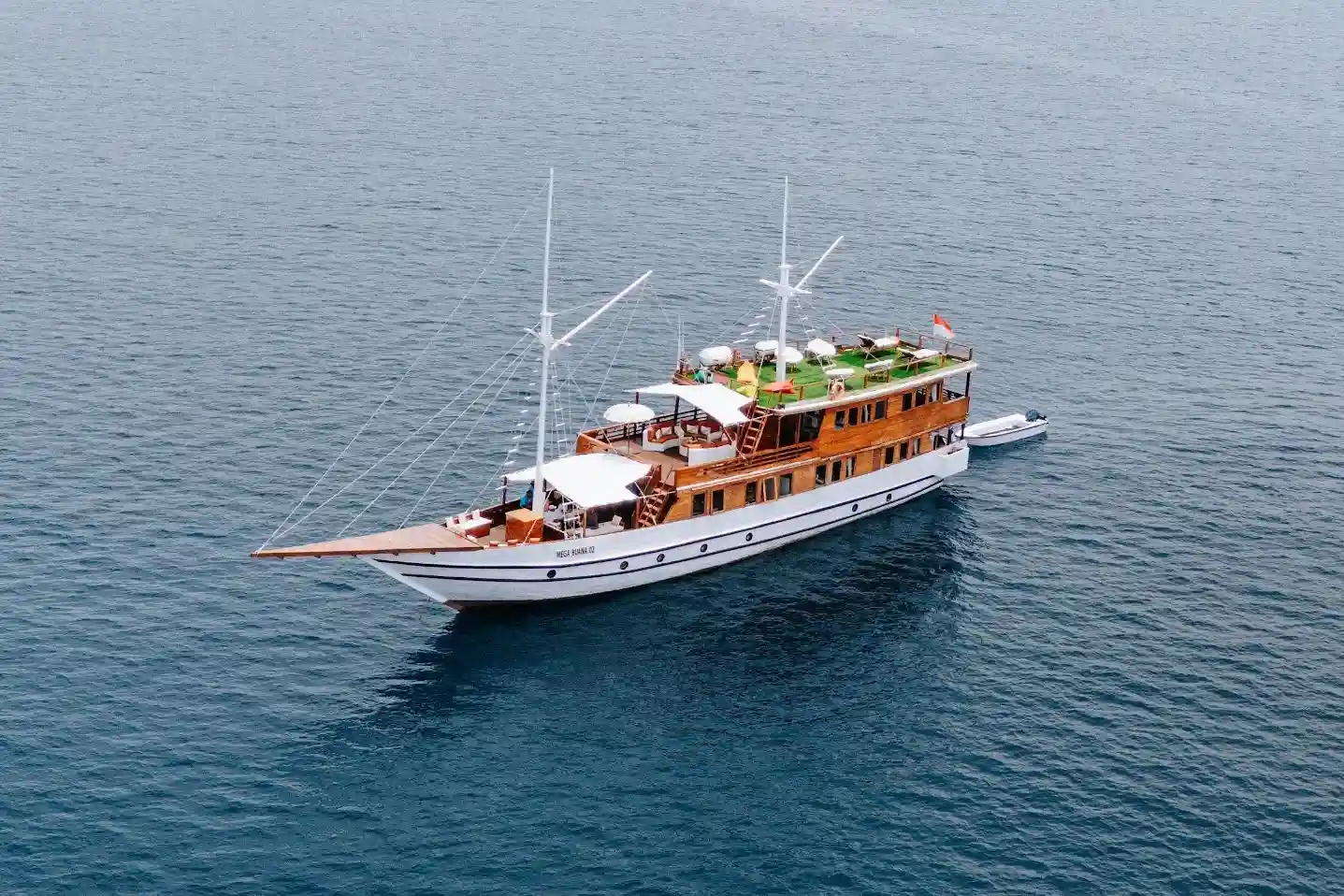
Understanding liveaboard operations
Liveaboards operate across Indonesia, with popular itineraries focusing on regions such as Komodo, Raja Ampat and the Banda Sea. Vessels range from traditional wooden phinisi to purpose-built dive boats.
What is — and is not — in the price
Included
- Accommodation: cabins vary from dormitory-style to private en-suite rooms.
- Meals: full board, typically breakfast, lunch, dinner and snacks. Dietary requirements can usually be accommodated with prior notice.
- Activities: guided diving or snorkelling excursions. Some liveaboards also offer land excursions, kayaking or paddleboarding.
- Transfers: often included from a designated airport or hotel to the departure point.
- Dive guides: professional guides accompany all diving activities.
Not typically included
- Flights: international and domestic, to the embarkation point.
- Equipment rental: BCDs, regulators and wetsuits usually incur an additional charge.
- Park fees: national park entrance fees and conservation levies are mandatory and paid separately.
- Alcoholic beverages: soft drinks are often included, alcohol usually is not.
- Tips and gratuities: discretionary tipping for the crew is customary.
- Travel insurance: comprehensive travel and dive cover is strongly recommended.
Booking your liveaboard
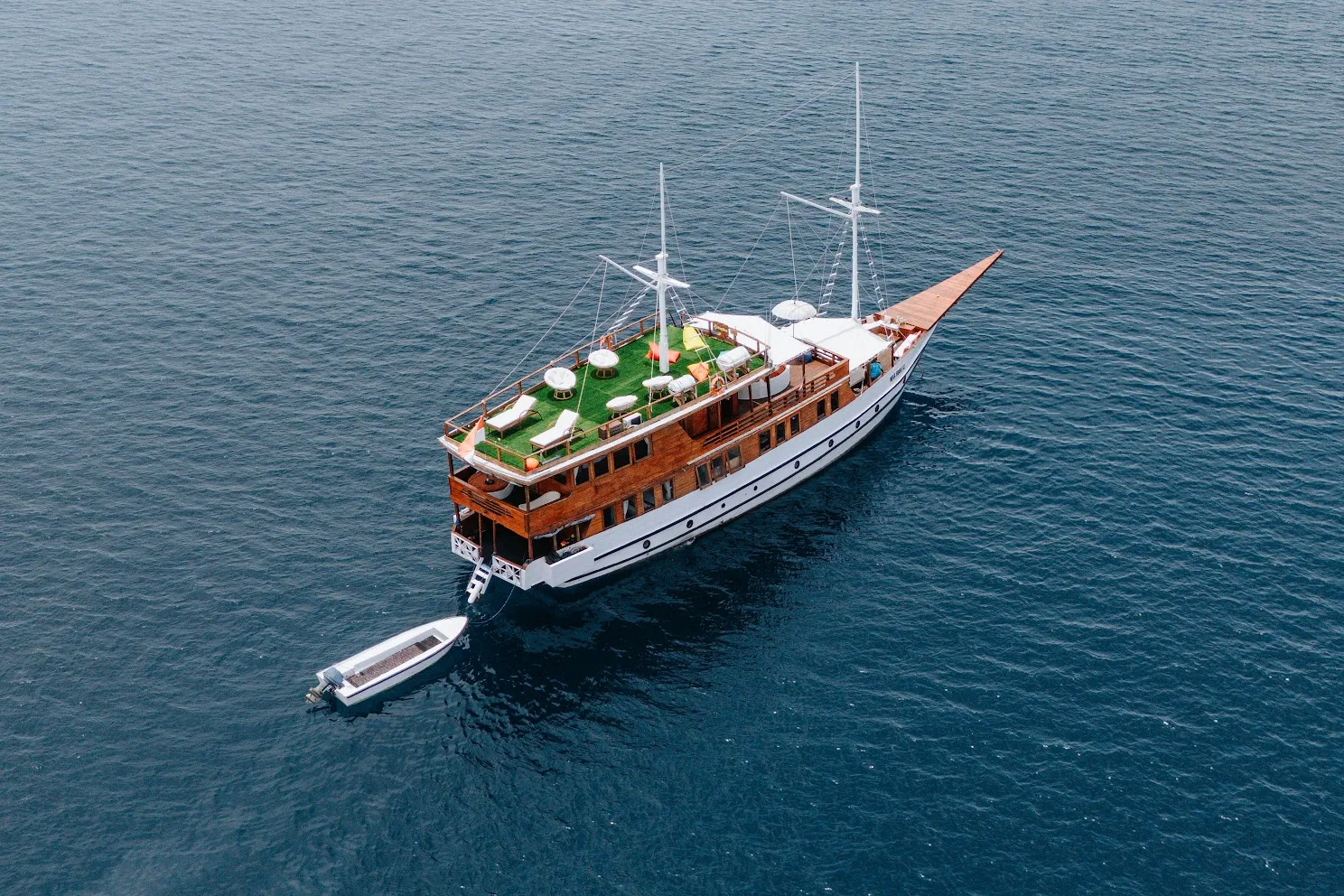
Destination and itinerary
Komodo National Park is known for manta rays, sharks and Komodo dragons, best April to October. Raja Ampat is famed for biodiversity and vibrant reefs, best October to April. The Banda Sea and Forgotten Islands offer pelagic encounters and pristine reefs, typically September to November.
Vessel and cabin choice
Liveaboards vary in size, amenities and price. Standard vessels offer functional accommodation; luxury vessels give more spacious cabins and enhanced service. Cabin classes run from triple-share to private twin or double with en-suite facilities.
Pricing and payment
A deposit confirms the booking, with the balance due before departure. Review the cancellation policy carefully before you pay.
2027 Indonesia liveaboard price overview
Swipe to see all columns| Trip type / region | Duration | Cost per person (USD) |
|---|---|---|
| Short trips | 3–4 days | $600 – $1,200 |
| Standard safaris | 5–7 days | $1,500 – $3,500 |
| Extended expeditions | 6–8+ days | $3,000 – $5,500+ |
| Komodo | 7 nights | $3,605 |
| Komodo | 10 nights | $5,150 |
| Raja Ampat | 7 nights | $3,969 |
| Raja Ampat | 10 nights | $5,670 |
| Banda Sea & Misool | Specific trips | $7,140 |
| Southern Forgotten Islands | Specific trips | $7,440 |
Market figures for the sector as a whole. Magika’s own rates start at USD 310 per person for a shared 3D2N cabin (2026 card), with 2027 whole-boat charter from USD 5,300 — see the published rate card.
Pre-departure preparations
Travel documents and visas
Ensure your passport is valid for at least six months beyond your intended stay. Check Indonesia’s visa requirements for your nationality well in advance.
Diving certification
Most liveaboards require a minimum PADI Open Water certification or equivalent. Some advanced itineraries demand higher certifications and logged dives. Bring your card and logbook.
Packing essentials
Own mask, fins, snorkel, wetsuit and dive computer if not renting; lightweight quick-drying clothing; sun protection; biodegradable toiletries; personal medication; seasickness tablets; a plug adapter.
During your liveaboard holiday
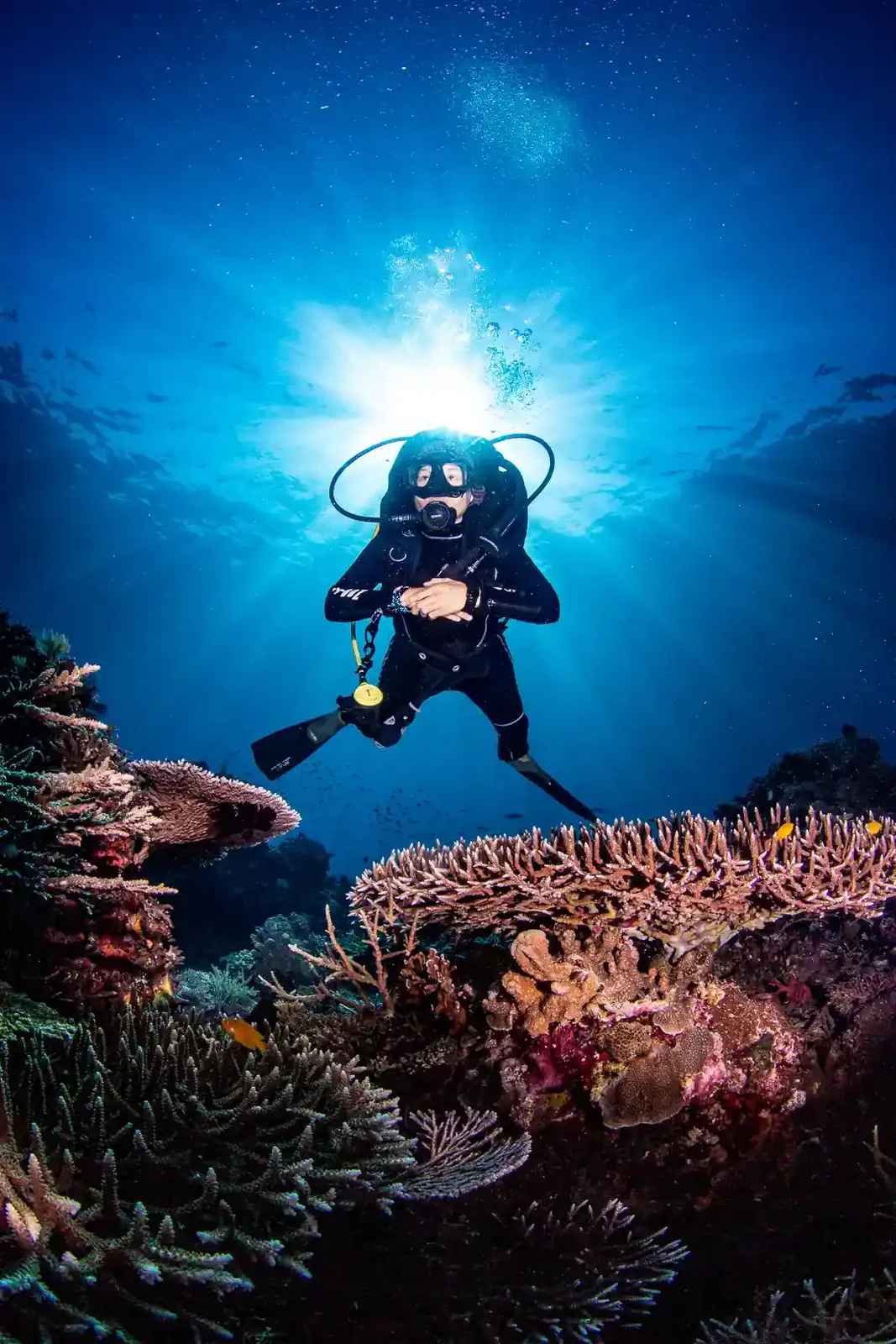
On arrival you are greeted by the crew and given an orientation. A typical day involves multiple dives, meals and leisure time.
Daily schedule
A standard day includes three to four dives, often starting with a pre-breakfast dive. Meals are served between dives. Evening activities may include night dives or presentations from the dive guides.
Safety and conduct
Adhere to all safety briefings and instructions from the crew and dive guides. Respect marine life and follow responsible diving practices — maintain buoyancy and avoid contact with corals.
Disembarkation
On the final day, after breakfast, guests disembark at a designated port. Transfers to the local airport or hotels are usually arranged by the operator — on Magika they are included within the Labuan Bajo mainland area near the harbour.
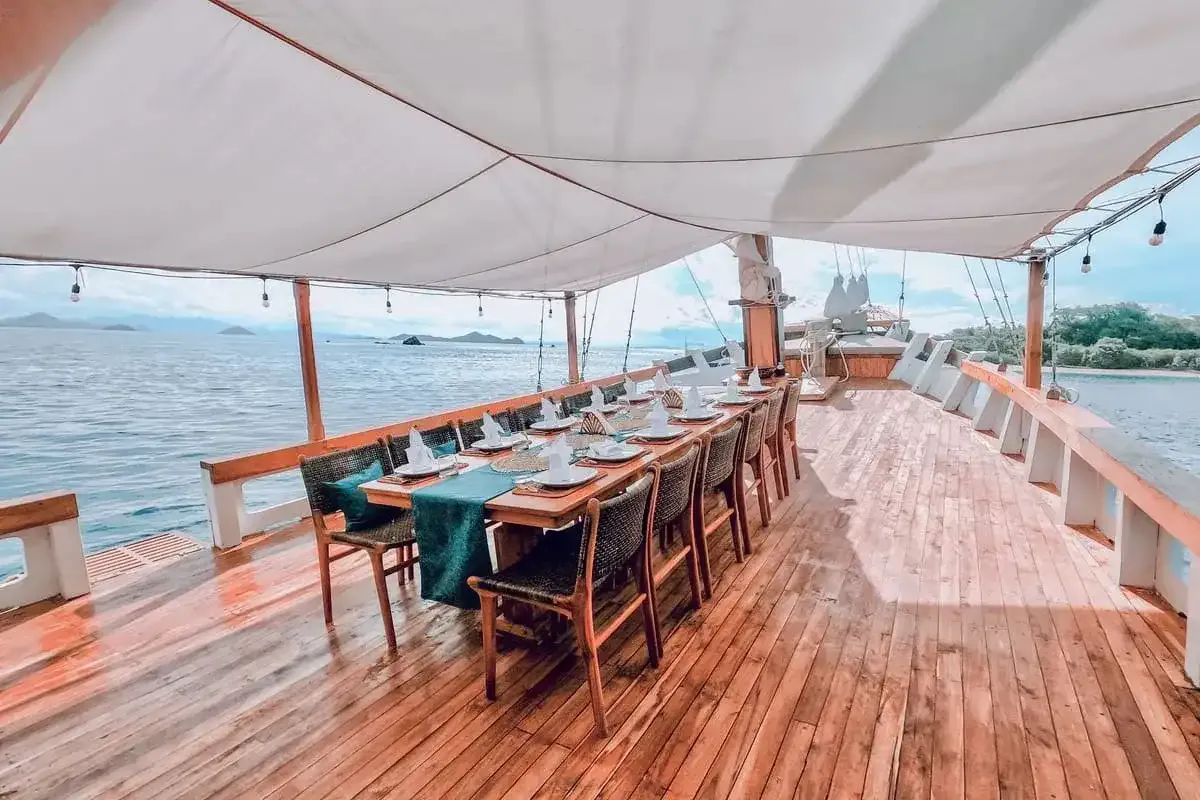
First liveaboard? Ask anything
No question is too basic. We would rather answer twenty of them now than have you wondering on the boat.
Whole-boat charter and shared cabins · Labuan Bajo departures · 2026 & 2027 dates open